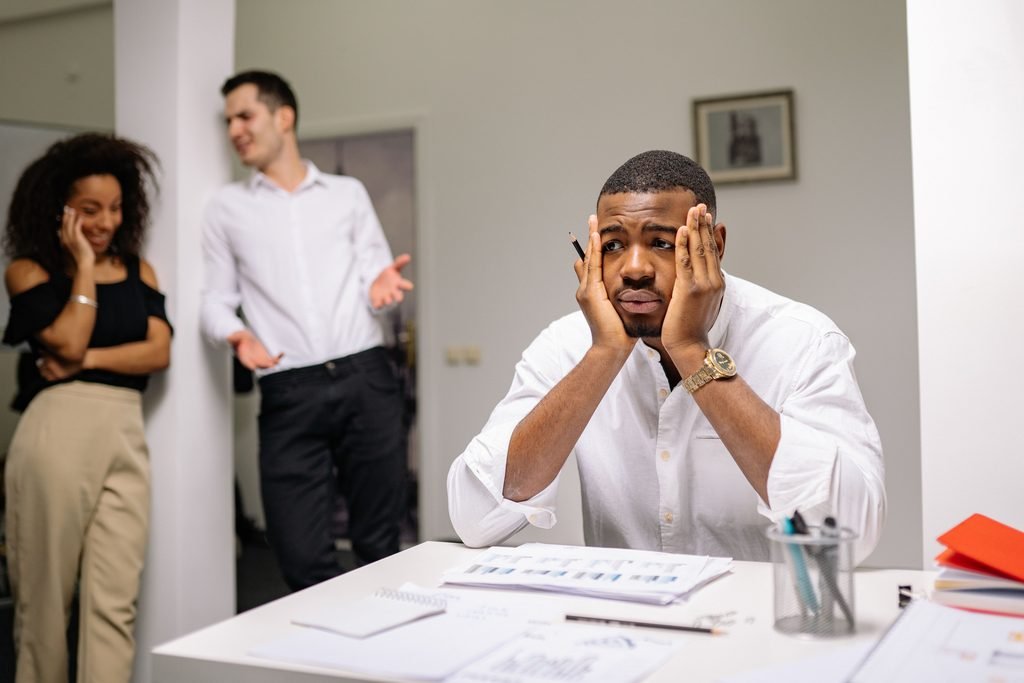
Failure is a normal part of life, especially during our school years. Students may fail a test, lose a competition, make a mistake in a project or struggle to achieve a goal. Although failure can feel disappointing, it can also teach us important lessons. When we understand our mistakes and try to improve, failure can become an important part of learning and personal growth.
What Is Failure?
Failure simply means that we did not get the result we were hoping for. It can happen when we make a mistake, do not reach a goal or face a situation that does not go as planned. For students, failure could be getting low marks in a test, losing a competition or making a mistake in a project. Although failure can feel disappointing, it can also teach us what went wrong and help us do better the next time.
“A person who never made a mistake never tried anything new.”
— Albert Einstein
What Can Failure Teach Us?
Failure can teach us things that we may not learn when everything goes well. When we fail at something, we get a chance to look back and understand what went wrong. For example, if a student gets low marks in a test, they can find out which topics they did not understand and prepare better next time.
Failure can teach us to learn from our mistakes, be patient, try new ways and keep going even when things do not work out. It also helps us understand our strengths and weaknesses.
Most importantly, failure reminds us that one bad result does not define us. What really matters is what we learn from the experience and how we use that lesson to do better next time.
How Failure Makes Us Stronger
Failure can be difficult to deal with, especially when we have worked hard for something. We may feel disappointed when things do not go the way we expected. However, getting up and trying again can teach us how to handle challenges better. Over time, these experiences can make us more patient, determined, and willing to keep going.
For example, if a student does not do well in a competition, they can look at what went wrong and work on those areas before trying again. The next time, they may be better prepared and more confident.
How Failure Improves Problem-Solving Skills
Failure can help us become better at solving problems. When something does not work, we get a chance to stop, think about what went wrong and look for a better solution. Instead of giving up, we can try a different approach and see what works.
For example, if a student tries a study method but still finds a subject difficult, they can try making notes, practicing more questions or asking a teacher for help. In this way, failure can encourage us to think differently, try new ideas, and find better ways to solve problems.
How Challenges Help Us Improve
Challenges are a normal part of life, especially for students. When things become difficult, we get a chance to learn new things and understand what we are capable of. A difficult test, a tough project or a competition may not go as planned, but these experiences can help us see where we need to improve.
Instead of avoiding challenges, students can use them as opportunities to learn, practice and become better. Every challenge may not be easy, but facing it can help us gain experience and prepare for similar situations in the future.
Failure in Life
Failure is not limited to exams or school. We can face it in many parts of life, such as friendships, competitions, personal goals or trying something new. Sometimes things simply do not work out the way we expected, and that can be disappointing.
These experiences can teach us important lessons. They can help us understand our mistakes, make better choices, and become more prepared for future challenges. What matters is not avoiding every failure, but learning from what happened and using that experience to move forward.
Turning Failure Into Learning
Failure can feel disappointing, but it can also teach us something useful. When things do not go as planned, we get a chance to look at our mistakes and understand what we could do differently. Instead of seeing failure as the end, we can treat it as an experience that helps us improve.
For example, if a student gets low marks on a test, they can look at the questions they got wrong and understand which topics need more practice. The next time, they can prepare differently and avoid making the same mistakes.
Why We Should Not Fear Failure
Failure is something everyone faces at some point in life. We might not get the result we wanted, make a wrong decision, or fall short of a goal we worked hard for. It is normal to feel upset or disappointed when this happens, but being too afraid of failure can stop us from trying new things.
Instead of thinking, “What if I fail?”, we can ask ourselves, “What can I learn from this?” A mistake or setback can show us what we need to improve and help us do things differently next time. When we stop seeing failure as something to be afraid of, it becomes easier to take chances, learn from our experiences, and keep moving forward.
Conclusion
Failure is something we all experience at different points in life. It can be disappointing when things do not go the way we hoped, but it does not mean that we have to give up. Every mistake, setback, or unsuccessful attempt can teach us something useful.
What matters most is how we respond to failure. We can look at what went wrong, learn from it, make changes, and try again. These experiences can help us become more patient, confident, and better at handling challenges.